

The Benefits of Scanning Engineering Drawings
- brucefilesolutions

- Apr 14
- 4 min read
Engineering drawings are essential documents that capture the precise details of designs, structures, and systems. Traditionally, these drawings have been stored as physical copies, often on large sheets of paper. However, as businesses grow and the volume of documents increases, managing these physical files becomes challenging. Scanning engineering drawings offers a modern solution that transforms how businesses handle their records. In this post, I will explore the key benefits of scanning engineering drawings and how this process can improve efficiency, security, and accessibility.
Why Scanning Engineering Drawings Matters
Scanning engineering drawings converts physical blueprints and plans into digital files. This transformation is more than just a change in format. It fundamentally changes how these documents are stored, accessed, and shared. For businesses of all sizes, especially those managing large volumes of records, scanning provides a practical way to streamline operations.
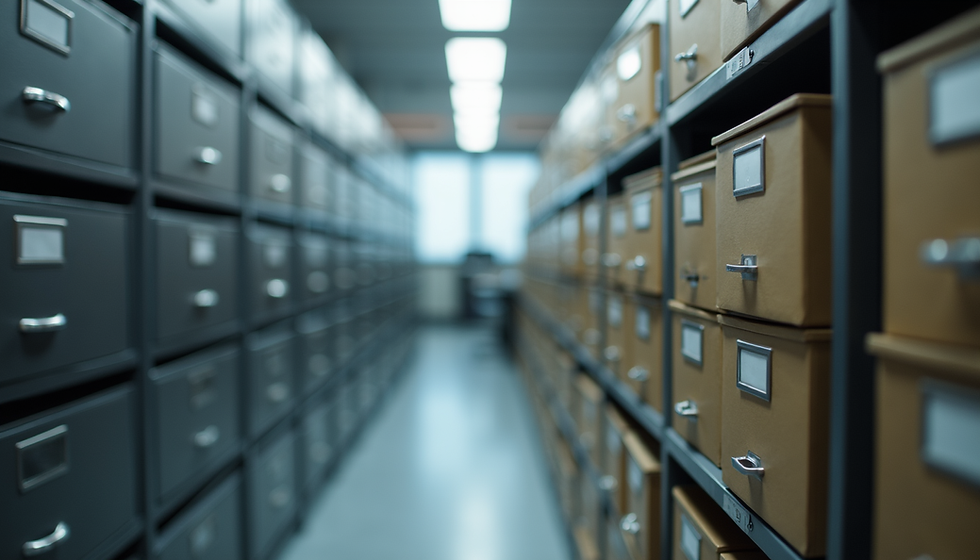
One of the primary advantages is space-saving. Physical drawings require significant storage space, often in specialized filing cabinets or rooms. Digital files, on the other hand, can be stored on servers or cloud platforms, freeing up valuable office space. This also reduces the risk of damage from environmental factors such as moisture, fire, or fading over time.
Moreover, digital files are easier to organize and retrieve. Instead of manually searching through stacks of paper, you can use keyword searches or metadata to find the exact drawing you need in seconds. This saves time and reduces frustration, especially when working on tight project deadlines.

Enhanced Accessibility and Collaboration with Scanning Engineering Drawings
Once engineering drawings are digitized, they become accessible from multiple locations and devices. This is a significant benefit for teams that work remotely or across different offices. Digital files can be shared instantly via email or cloud services, enabling faster collaboration and decision-making.
Digital drawings also support version control. When multiple people work on a project, it is crucial to ensure everyone is using the most current version of a drawing. Scanning and storing drawings digitally allows for easy updates and tracking of changes. This reduces errors caused by outdated information and improves overall project accuracy.
Additionally, digital files can be integrated with other software tools used in engineering and project management. This integration enhances workflows and allows for more sophisticated analysis and planning.
Protecting Your Engineering Drawings from Loss and Damage
Physical engineering drawings are vulnerable to various risks. They can be lost, misplaced, or damaged by accidents such as spills or fires. Scanning these drawings creates a secure digital backup that protects your valuable information.
Digital files can be stored with multiple layers of security, including encryption and access controls. This ensures that only authorized personnel can view or edit sensitive documents. Regular backups can also be scheduled to prevent data loss due to hardware failure or cyberattacks.
By investing in professional engineering drawing scanning services, businesses can ensure that their records are preserved safely and remain accessible for years to come.

Cost Savings and Efficiency Gains from Digitizing Drawings
Scanning engineering drawings can lead to significant cost savings. Physical storage requires not only space but also maintenance and security measures. By digitizing drawings, businesses reduce the need for physical storage facilities and the associated expenses.
Moreover, digital files reduce the time spent on manual handling and searching for documents. Employees can focus on higher-value tasks rather than administrative work. This efficiency translates into faster project completion and improved client satisfaction.
Digitization also supports compliance with industry regulations. Many sectors require secure and organized record-keeping. Digital files can be easily audited and tracked, helping businesses meet legal and contractual obligations without hassle.
Best Practices for Scanning Engineering Drawings
To maximize the benefits of scanning engineering drawings, it is important to follow best practices:
Choose the right resolution - High-resolution scans ensure that all details are captured clearly, which is critical for technical drawings.
Use professional scanning equipment - Flatbed scanners or large-format scanners designed for engineering documents provide the best results.
Implement a consistent naming and filing system - Organize digital files logically to simplify retrieval.
Secure your digital files - Use encryption, access controls, and regular backups to protect your data.
Work with experienced service providers - Professional engineering drawing scanning services can handle large volumes efficiently and ensure quality.
By following these steps, businesses can create a reliable digital archive that supports their operational needs.
Embracing the Future of Record Management
Scanning engineering drawings is more than a technical upgrade. It is a strategic move that enhances how businesses manage their records. Digital files improve accessibility, security, and efficiency, helping companies save time and money.
For businesses in Lethbridge and surrounding areas, partnering with a trusted provider can simplify this transition. With the right support, managing complex data becomes straightforward, ensuring compliance and peace of mind.
Digitizing your engineering drawings today means you are prepared for the demands of tomorrow. It is an investment that pays off through improved workflows and better resource management. Embrace the benefits of scanning engineering drawings and take control of your records with confidence.


Comments